Gallery

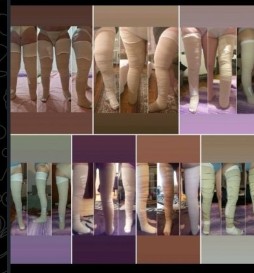
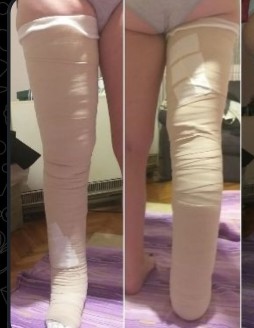

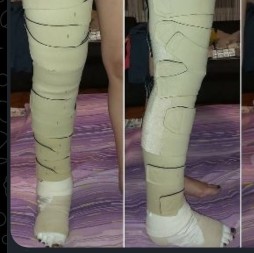
Multi-layer bandaging
Examples of compression bandaging on arms and legs as part of complex decongestive therapy.
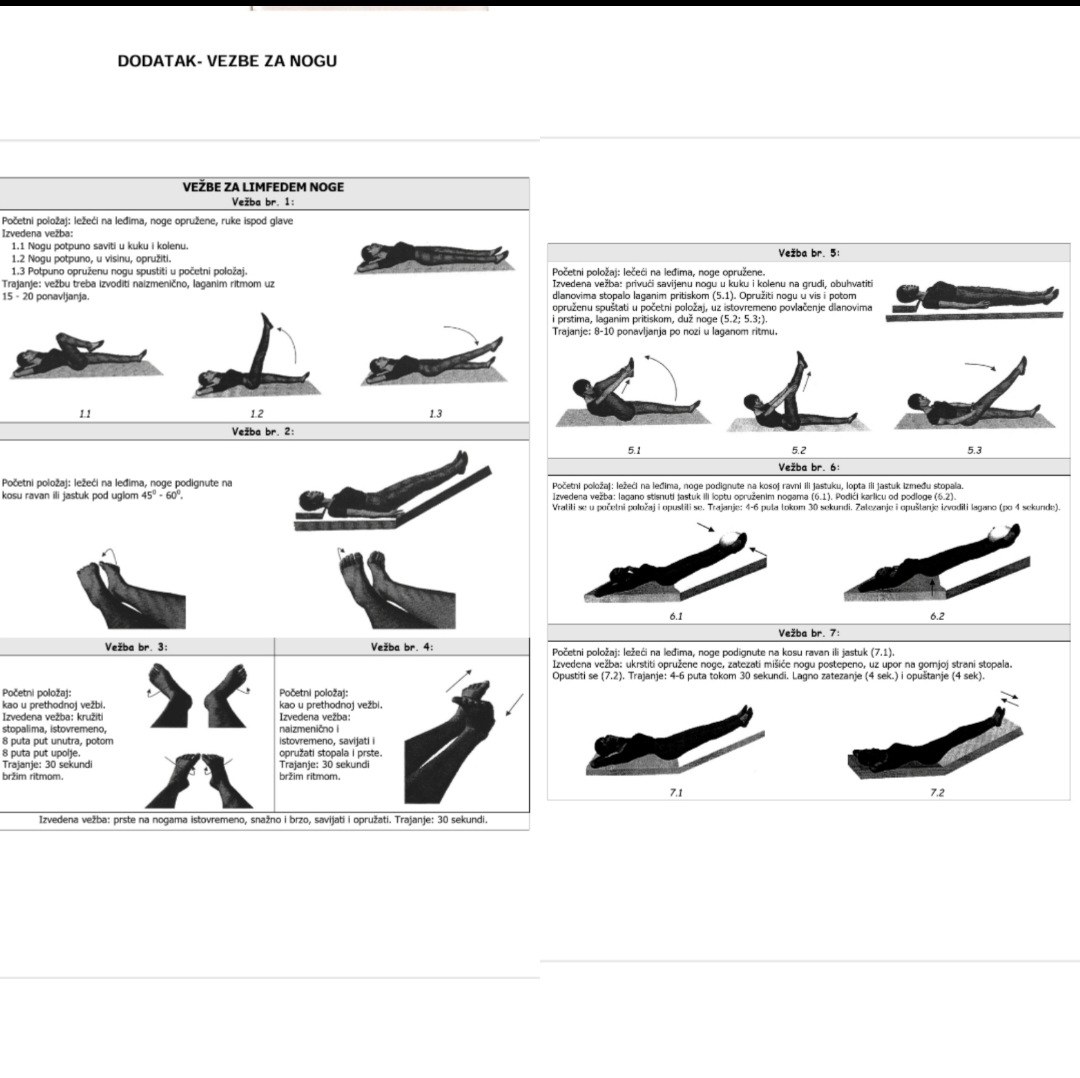
A combined approach for more severe cases of lymphedema — manual lymphatic drainage, multi-layer compression bandaging, skin care and kinesiotherapy.
A combined approach for more severe cases of lymphedema.
At the first examination we determine the stage and build a plan tailored just for you.
Book an examination →Manual lymphatic drainage increases lymph flow in the still-functional lymphatic vessels, so that excess accumulated fluid can be absorbed via the lymphatic capillaries. This process is of crucial importance in supporting appropriate compression therapy — during compression therapy the pressure conditions have a positive effect on the tissue.
The exchange of fluid, as well as its components, occurs between the capillaries of the blood and lymphatic system and the organs — for example, the skin depends on that pressure difference. Fluid always flows from the location of higher pressure toward the location of lower pressure. As long as everything is intact, nature has made sure that, through pumping mechanisms, fluid drains in the right direction, through a combination of vessels of different diameters, with different concentrations of protein and sugar in the fluid. This means fluid moves from the arteries into the tissue, and from the tissue back into the veins and lymphatic vessels.
Since in this case the lymphatic vessels are no longer optimally functional, these pressure conditions are disrupted. As a result, too much fluid remains in the tissue. The idea behind compression therapy is to support the tissue with external pressure, which enables fluid and its components to return to the lymphatic vessels and veins. Depending on the type and severity of the lymphedema, different pressure levels (Hg/mm) are required.
Examples of compression bandaging on arms and legs as part of complex decongestive therapy.
At the examination we assess your condition together and build a therapy plan tailored just for you.
Book an examination