Education

Lymphedema and lipedema

Two conditions that are often confused, yet they are not the same. Understanding the difference is the first step toward the right therapy.

Condition 02

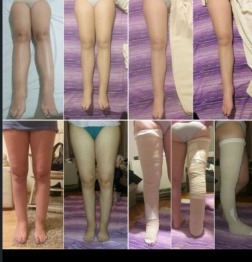
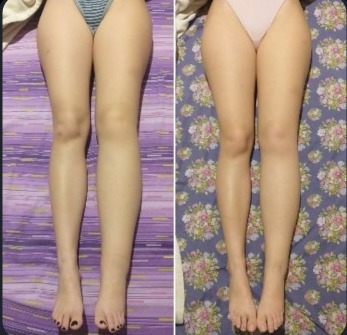
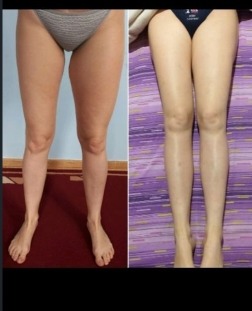
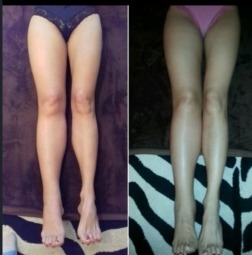
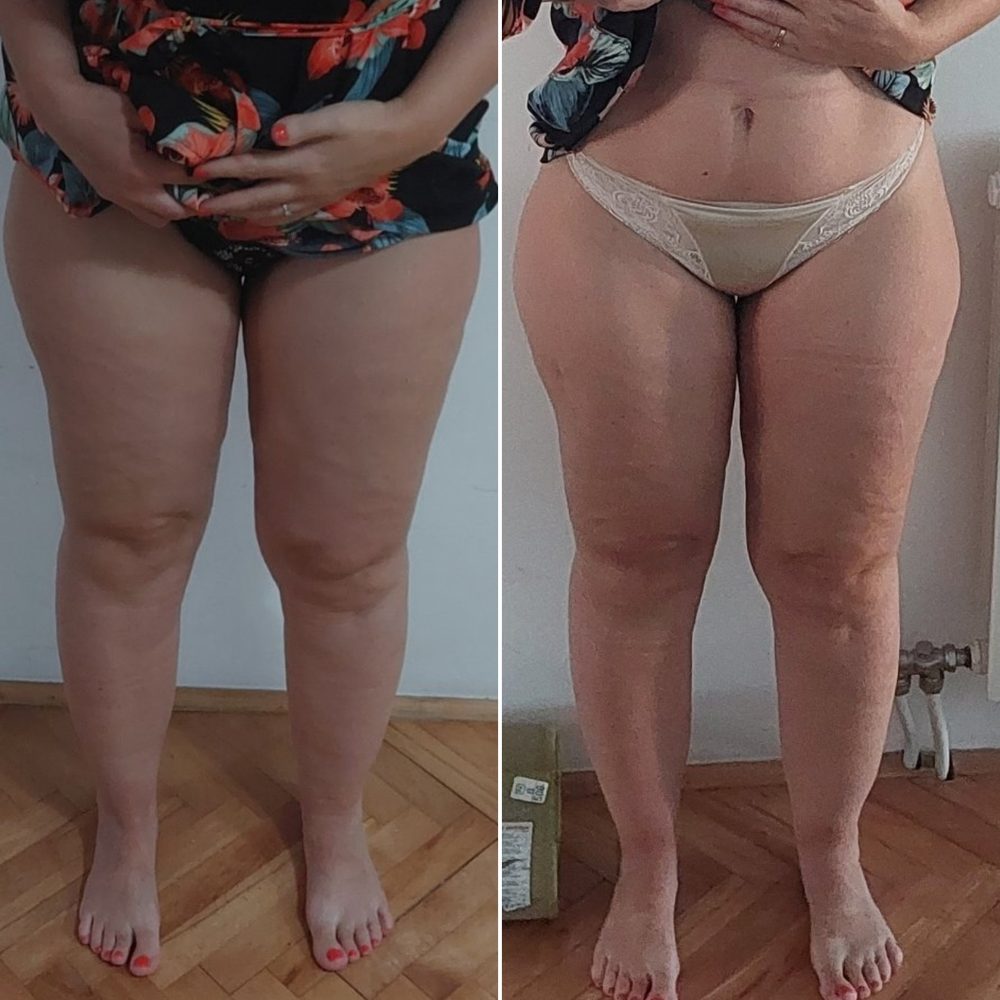
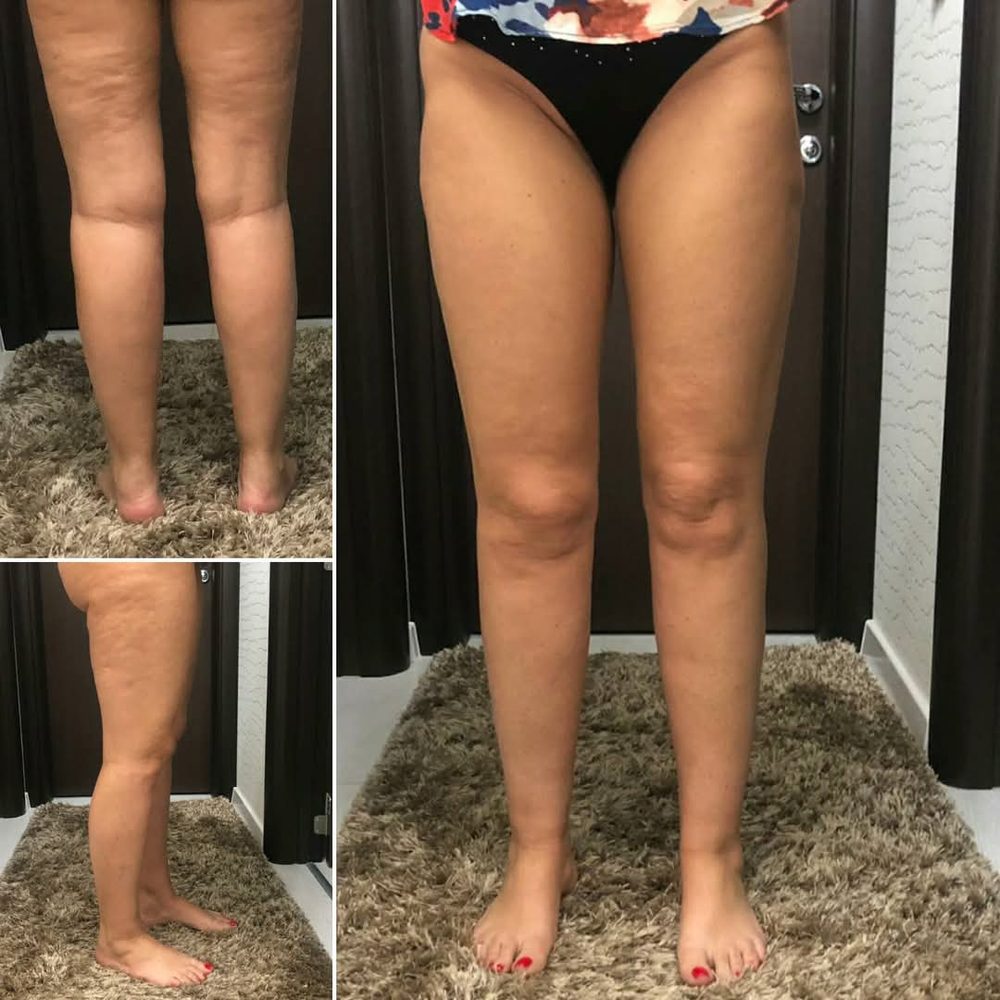
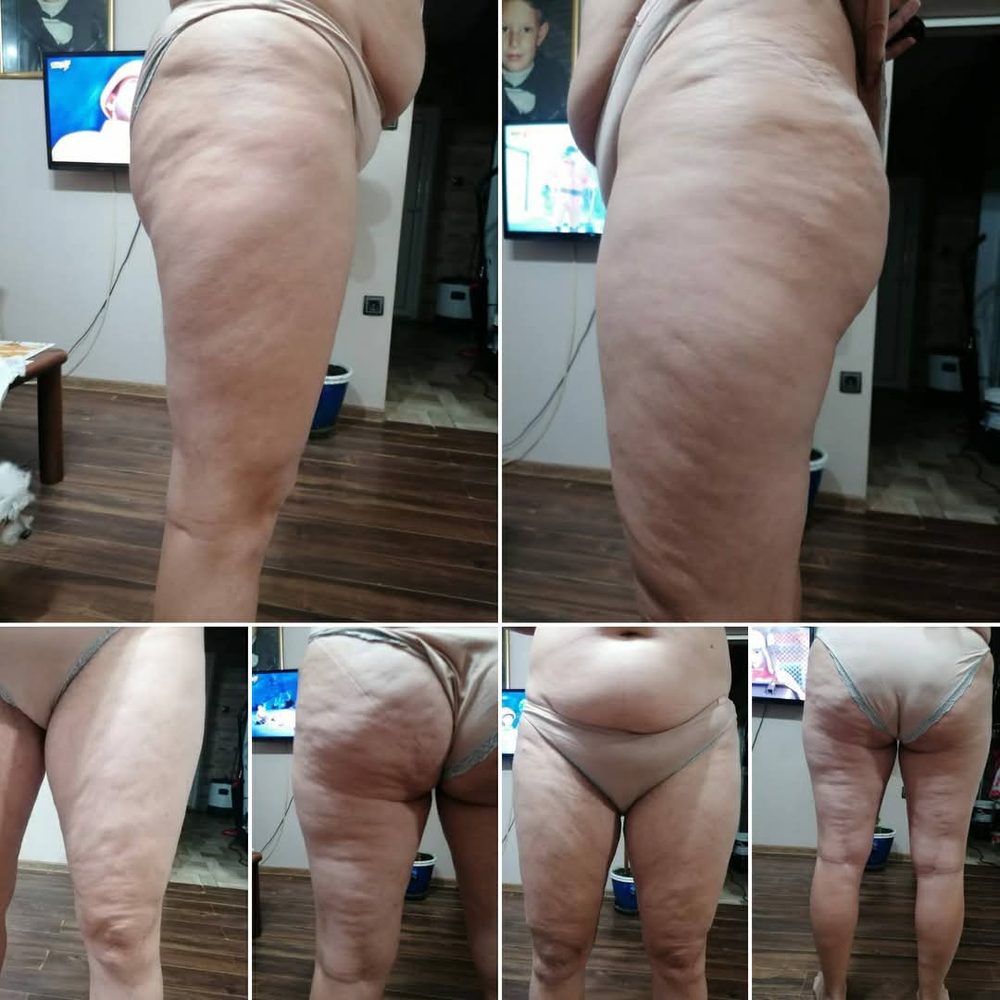
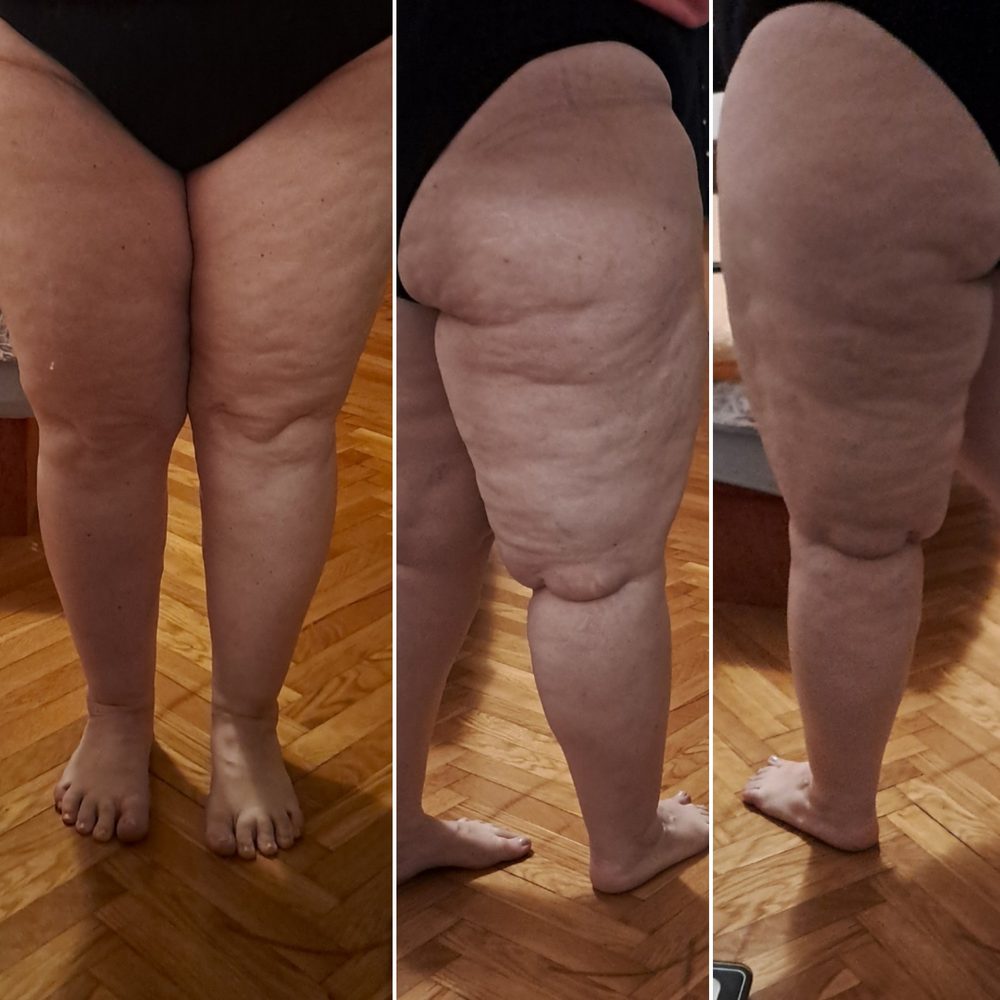
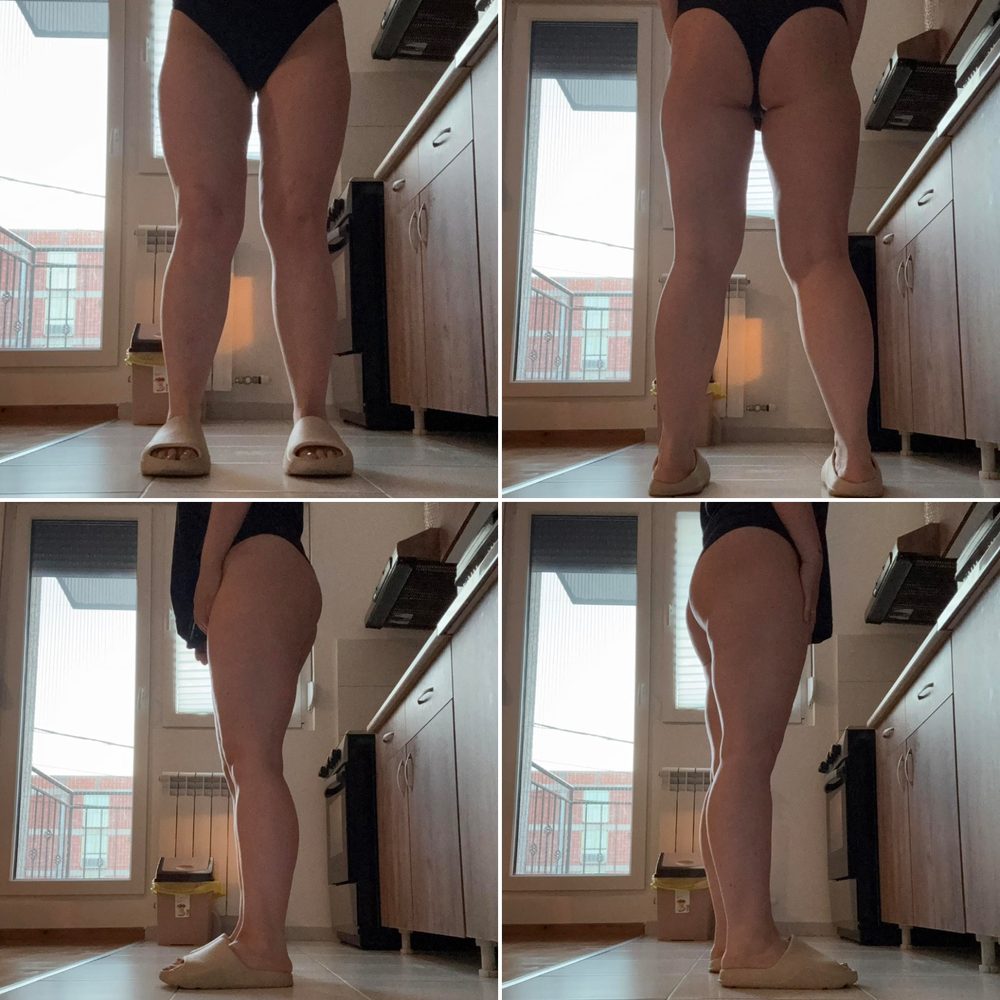
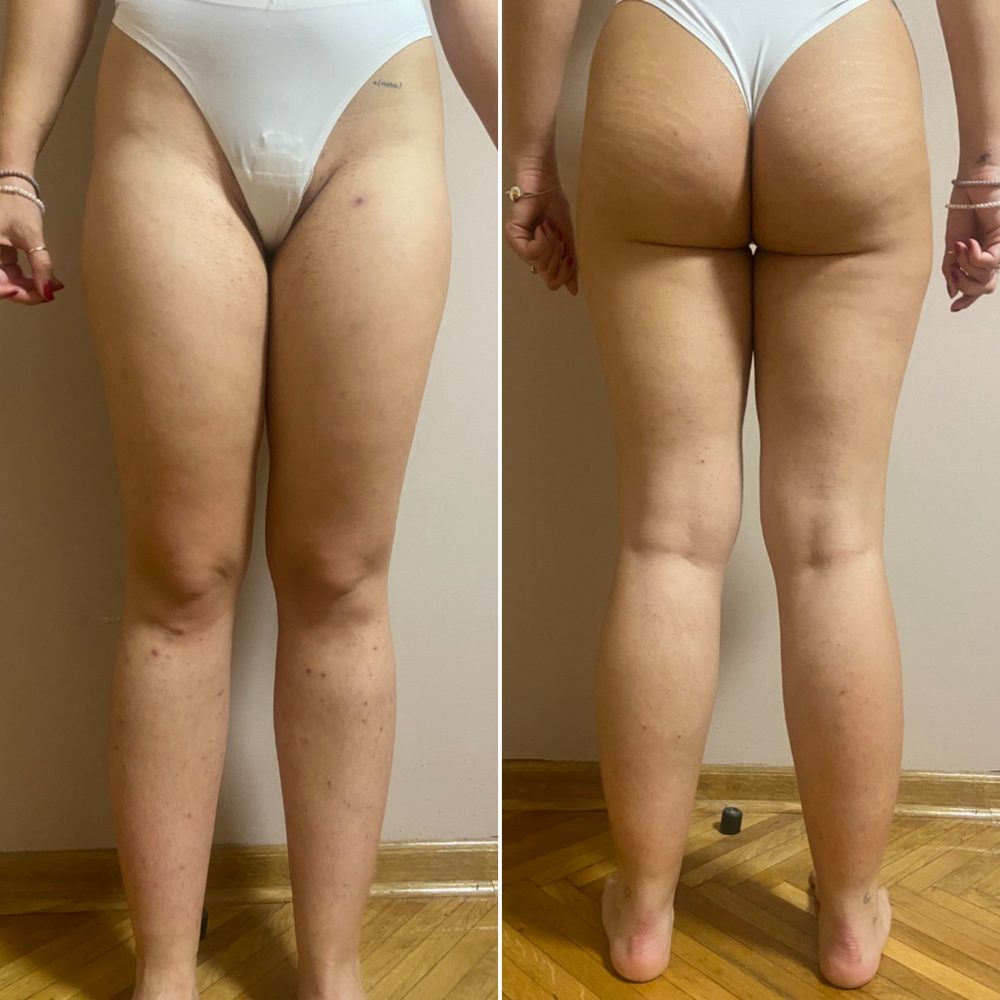
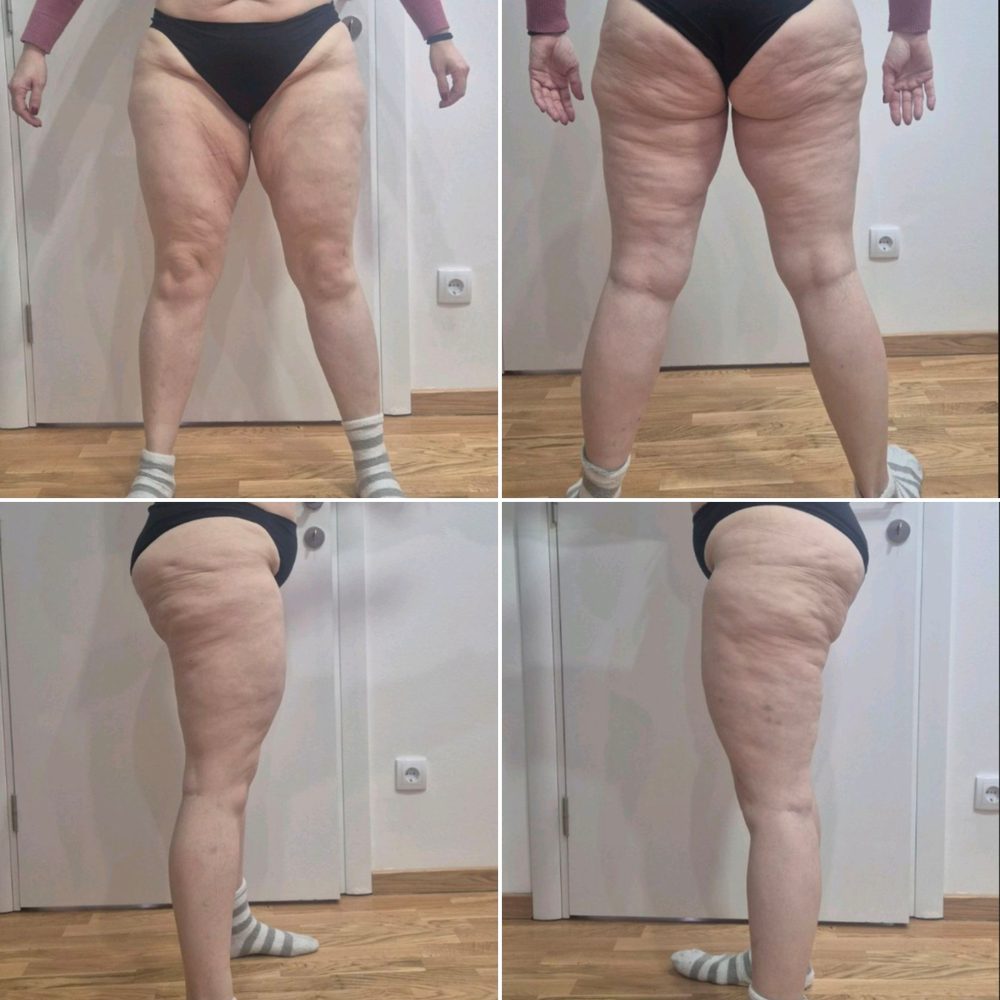
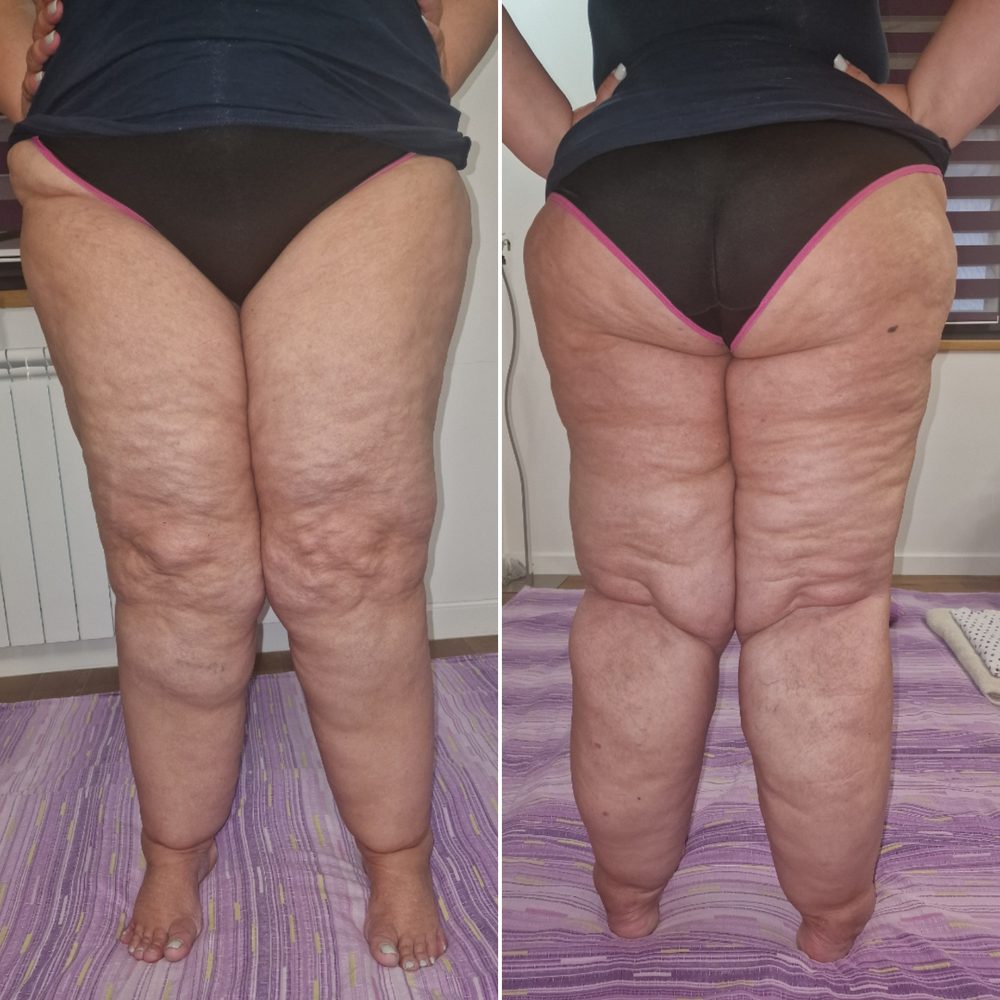
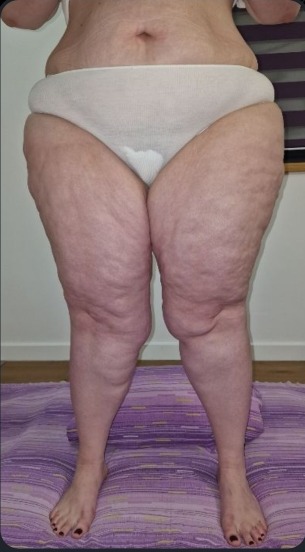
Lipedema (lipo-lymphedema)

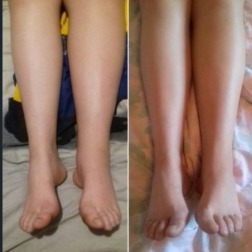
Occurs mostly in women. Bilateral, symmetrical swelling from the iliac crest to the ankle joint. The dorsum of the foot is never involved.

  • Stemmer's sign negative
  • Soft skin texture, slight pitting or none on pressure
  • No erysipelas
  • Pain on palpation, bruises easily

Lymphedema — definition and classification

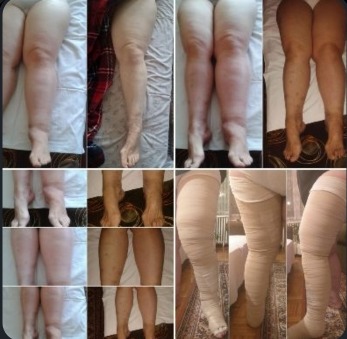
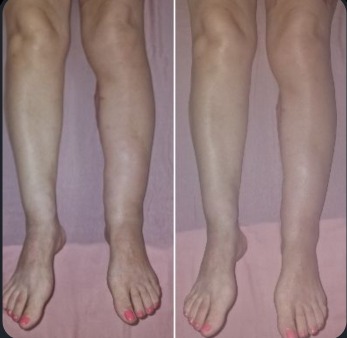
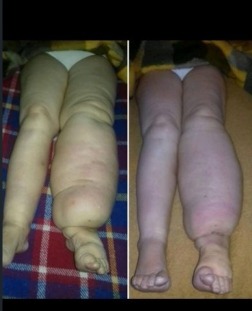
Lymphedema is a chronic, progressive condition of the body (arising from a disruption of the lymphatic system), which cannot be cured but can be fully kept under control with adequate treatment. Lymphedema is not an ordinary edema — with lymphedema, Stemmer's sign is positive, the foot is involved, and there is a risk of erysipelas.

Etiological classification (by cause)

Primary lymphedema: Arises from a congenital defect in the development of the lymphatic system, and can be congenital, early-onset or late-onset.

Secondary lymphedema: Develops later in life due to external factors such as surgery, radiation, injury or infection.

Clinical classification (by course)

Acute: Short-term swelling that resolves quickly.

Transient: Time-limited swelling that subsides.

Chronic: A long-lasting, persistent condition that requires treatment.

Stages of chronic lymphedema

Stage 0 (latent): The swelling is not yet visible, even though the lymphatic system is already damaged and functioning inadequately.

Stage 1 (spontaneously reversible): The swelling is soft, pressure leaves a pit, and elevating the limb reduces the swelling.

Stage 2 (spontaneously irreversible): The swelling is firmer, tissue begins to bind (fibrosis), and elevating the limb no longer helps much.

Stage 3 (elephantiasis): The swelling is extreme, the skin is thickened with characteristic wart-like growths.

Comparison table

How to tell one from the other

Characteristic Lymphedema Lipedema
Distribution Most often unilateral Bilateral, symmetrical
Dorsum of foot May be involved Never involved
Stemmer's sign Positive Negative
Skin on pressure Pitting Soft texture, slight or no pitting
Erysipelas Risk exists Not present
Pain Usually painless Pain on palpation
Bruising Rare Occurs easily
Sex Both sexes Almost exclusively women
Lymphedema

3 stages of lymphedema

0 Stage 0

Latent phase — the lymphatic system is already functioning inadequately, but no edema is present.

Learn more →
I Stage I

Reversible phase — soft, protein-rich swelling, pressing with a thumb leaves a pit.

Learn more →
II Stage II

Spontaneously irreversible phase — fibrosis and sclerosis, elevation no longer helps.

Learn more →
III Stage III

Elephantiasis — extreme swelling, high risk of erysipelas.

Learn more →
Types of lymphedema

Primary lymphedema

Primary lymphedema is caused by a congenital malformation of the lymphatic vessels/nodes and in most cases occurs in the female population, where Stemmer's sign is positive in 90% of cases, as an indicator of already established fibrosis. From a pathological standpoint it occurs due to aplasia, hypoplasia or fibrosis of the lymph nodes. It is asymmetrical and localized in the peripheral parts of the limb. It can be spontaneous or hereditary in type.

Types of lymphedema

Secondary lymphedema

Secondary lymphedema develops later in life due to external factors such as surgery, radiation, injury or infection.

Lipedema

Four stages of lipedema

I Stage I

The skin surface is smooth, the subcutaneous tissue is thickened and soft.

Learn more →
II Stage II

The skin surface is uneven, firmer subcutaneous nodules, more pronounced swelling.

Learn more →
III Stage III

Larger tissue deformations, pronounced folds and lumps.

Learn more →
IV Stage IV

Lipo-lymphedema, a combination with lymphedema and additional swelling.

Learn more →
Modern name

Lipalgia syndrome (painful fat syndrome)

In professional circles, lipedema is increasingly referred to as lipalgia syndrome, because that name better describes the essence of the condition. It is not fluid-based swelling, but painful fatty tissue that bruises easily and is resistant to diet and exercise.

Liposuction is not a cure for this condition. It removes fatty tissue, but does not stop the underlying disorder. The modern approach is holistic: stabilizing body weight, compression therapy, manual lymphatic drainage, low-intensity movement and psychological support, while surgery is only considered as part of a broader plan.

Related conditions

Chronic venous insufficiency

Chronic venous insufficiency is a condition that can potentially cause lymphedema. The approach depends on the stage.

Stages 0 and 1

Prevention

Wearing a compression stocking is mandatory as the most important form of therapy. Manual lymphatic drainage can be performed preventively.

Learn more →
Stages 2 and 3

Active therapy

Indication for manual lymphatic drainage and multi-layer bandaging (CDT).

Learn more →
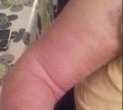
Erysipelas - clinical example on the arm

Erysipelas — clinical example

Characteristic sharply demarcated redness, swelling and skin that is tense and painful to the touch — the typical appearance of erysipelas (red wind) on the arm of a person prone to lymphedema.

Tips

General tips for preventing lymphedema

Ready to take the first step?

At the examination we assess your condition together and build a therapy plan tailored just for you.

Book an examination